

Introduction
Eating the right foods is one of the most powerful ways to improve your overall health and quality of life. In today’s busy lifestyle, many people rely on processed meals, fast food, and sugary snacks, which can slowly harm the body over time. That is why understanding foods for better health is extremely important for everyone, whether you are a beginner or already aware of nutrition basics. A balanced diet not only supports physical strength but also improves mental clarity, energy levels, and immunity. When you consistently choose healthy foods, your body starts to function more efficiently, reducing the risk of chronic diseases such as diabetes, heart problems, and obesity.
Foods for better health include natural, nutrient-rich options like fruits, vegetables, whole grains, lean proteins, and healthy fats. These foods provide essential vitamins, minerals, antioxidants, and fiber that your body needs daily. The goal is not strict dieting but building sustainable eating habits that you can follow long term. Small changes in your food choices can make a big difference in your energy and wellness.
In this guide, you will learn what foods for better health really mean, why they are important, how to include them in your daily life, and what mistakes to avoid. You will also discover practical tips and answers to common questions to help you build a healthier lifestyle step by step.
What is Foods for Better Health?
Foods for better health refer to natural and minimally processed foods that provide essential nutrients required for the proper functioning of the body. These foods support growth, repair, and overall maintenance of bodily systems. Unlike junk food, which is high in sugar, salt, and unhealthy fats, healthy foods are rich in vitamins, minerals, fiber, and antioxidants.
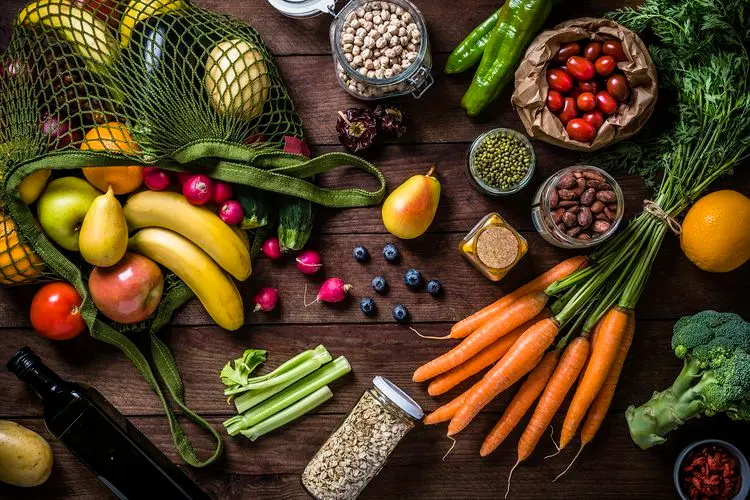
Examples of foods for better health include fresh fruits like apples and bananas, vegetables like spinach and carrots, whole grains like oats and brown rice, and proteins like fish, eggs, and legumes. These foods work together to improve digestion, boost immunity, and maintain energy levels throughout the day.
The concept is simple: the closer a food is to its natural state, the better it is for your health. Processed foods often lose their nutrients during manufacturing, while natural foods retain their full nutritional value. This is why nutrition experts always recommend focusing on whole foods.
In addition, foods for better health also include healthy fats such as nuts, seeds, and olive oil. These fats are essential for brain function and hormone balance. Overall, this approach to eating is not a diet but a lifestyle change that promotes long-term wellness.
Why is Foods for Better Health Important?
Foods for better health play a crucial role in maintaining both physical and mental well-being. The human body needs a continuous supply of nutrients to function properly, and these nutrients come directly from what we eat.
One of the main reasons this topic is important is disease prevention. A diet rich in fruits, vegetables, and whole foods can reduce the risk of heart disease, high blood pressure, and diabetes. These conditions are often linked to poor eating habits over time.
Another important factor is energy and productivity. When you eat nutrient-rich foods, your body receives steady energy instead of quick spikes and crashes caused by sugary foods. This helps you stay active and focused throughout the day.
Foods for better health also improve mental clarity and mood. Nutrients like omega-3 fatty acids, vitamins, and antioxidants support brain function and reduce stress levels. This means your diet directly affects how you feel emotionally.
Additionally, healthy foods strengthen the immune system. A strong immune system helps your body fight infections and recover faster from illness. This is especially important in today’s environment where health challenges are common.
Detailed Step-by-Step Guide
Step 1: Understand Your Daily Nutritional Needs
Before changing your diet, it is important to understand what your body needs. This includes carbohydrates for energy, proteins for muscle repair, fats for brain function, and vitamins for immunity.
Step 2: Add More Whole Foods
Start by including more natural foods for better health in your meals. Focus on fruits, vegetables, whole grains, and lean proteins. Try to reduce processed food gradually instead of stopping suddenly.
Step 3: Plan Balanced Meals
A balanced meal should include protein, fiber, and healthy fats. For example, you can combine grilled chicken, brown rice, and vegetables for a complete meal.
Step 4: Stay Hydrated
Water is an essential part of healthy eating. Drinking enough water supports digestion and helps the body absorb nutrients properly.
Step 5: Reduce Sugar and Processed Foods
Limit sugary drinks, snacks, and fast food. These foods may taste good but offer very little nutritional value and can harm your health in the long run.
Step 6: Practice Portion Control
Even healthy foods should be eaten in the right amount. Overeating can lead to weight gain and digestion issues.
Step 7: Maintain Consistency
The key to success is consistency. Make foods for better health a regular part of your lifestyle instead of a temporary change.
Benefits of Foods for Better Health
- Improves overall energy levels and reduces fatigue
- Strengthens immune system and reduces illness risk
- Supports healthy weight management
- Improves digestion and gut health
- Enhances brain function and mental clarity
- Reduces risk of chronic diseases like diabetes and heart disease
- Promotes better skin health and natural glow
- Improves mood and reduces stress levels
Disadvantages / Risks
- Requires lifestyle changes that may feel difficult initially
- Healthy foods can sometimes be more expensive than junk food
- Needs planning and preparation time
- Misunderstanding nutrition can lead to unbalanced diet
- Over-restriction may lead to nutrient deficiency if not done correctly
Common Mistakes to Avoid
Many people try to improve their diet but make simple mistakes that reduce results. One common mistake is completely removing all favorite foods at once, which leads to frustration and relapse. Instead, balance is important.
Another mistake is relying only on supplements instead of real foods for better health. Supplements can help but cannot replace natural nutrients from whole foods.
Skipping meals is also a bad habit. It slows down metabolism and leads to overeating later. Eating regularly is important for stable energy.
People also often ignore portion sizes. Even healthy foods can cause weight gain if eaten in excess.
FAQs
1. What are the best foods for better health?
The best foods include fruits, vegetables, whole grains, lean proteins, nuts, and seeds. These provide essential nutrients for overall wellness.
2. Can foods for better health help with weight loss?
Yes, healthy foods are low in unhealthy fats and high in fiber, which helps control appetite and supports weight management.
3. How quickly can I see results from healthy eating?
Some people notice improved energy within a few days, while long-term health benefits may take weeks or months.
4. Do I need to avoid all junk food?
No, you do not need to completely avoid it. However, it should be consumed in moderation while focusing mainly on healthy foods.
5. Are supplements necessary with healthy foods?
Not always. A balanced diet of foods for better health usually provides all essential nutrients. Supplements are only needed in specific cases.
6. What is the biggest benefit of healthy eating?
The biggest benefit is long-term disease prevention and improved overall quality of life.
Expert Tips & Bonus Points
Experts recommend starting small instead of making sudden changes. Add one healthy meal at a time rather than changing everything at once. This makes the transition easier and more sustainable.
Another tip is to shop smart. Always choose fresh and seasonal foods for better health because they are more nutritious and affordable.
Cooking at home is also highly recommended. It gives you full control over ingredients and portion sizes.
Try to eat a variety of foods instead of repeating the same meals. This ensures your body gets different nutrients.
Conclusion
Foods for better health are the foundation of a strong, energetic, and disease-free life. When you consistently choose natural and nutrient-rich foods, your body responds with better performance, improved immunity, and enhanced mental clarity. It is not about strict dieting but about making smarter and healthier choices every day.
By understanding what foods for better health are and how they work, you can slowly build habits that last a lifetime. Small improvements in your daily meals can lead to big changes in your overall well-being. Whether it is adding more fruits and vegetables, drinking more water, or reducing processed food, every step counts.
Remember that healthy eating is a journey, not a destination. Stay consistent, stay balanced, and focus on progress rather than perfection. Over time, your body and mind will thank you for these positive changes, leading to a healthier and happier life.
