

Introduction
A balanced diet chart is one of the most important tools for maintaining good health and long-term wellness. It helps individuals understand what to eat, how much to eat, and when to eat for a properly functioning body. In today’s fast-paced lifestyle, people often rely on junk food or irregular meals, which leads to nutritional deficiencies, weight gain, and other health problems. A structured balanced diet chart ensures that your body gets all essential nutrients such as carbohydrates, proteins, fats, vitamins, and minerals in the right proportion.
Following a proper balanced diet chart does not mean you have to restrict yourself completely. Instead, it means making smarter food choices and maintaining portion control. It supports physical strength, mental clarity, and immunity. Whether you are a student, working professional, or athlete, a well-planned diet chart can improve your energy levels and productivity throughout the day.
In this article, we will explore everything about a balanced diet chart, including its importance, step-by-step planning, benefits, risks, common mistakes, and expert tips. By the end, you will clearly understand how to design your own healthy eating routine.
What is Balanced Diet Chart?
A balanced diet chart is a structured meal plan that includes all essential nutrients in proper proportions required by the human body. It is designed to provide energy, support growth, repair body tissues, and maintain overall health.
A typical balanced diet chart includes:
- Carbohydrates for energy
- Proteins for muscle repair and growth
- Fats for energy storage and cell function
- Vitamins for immunity and body regulation
- Minerals for bone strength and metabolic functions
- Water for hydration and digestion
A well-designed balanced diet chart is not the same for everyone. It varies based on age, gender, physical activity, and health conditions. For example, an athlete needs more protein and calories compared to a person with a sedentary lifestyle.
The main goal of a balanced diet chart is to ensure that no nutrient is consumed in excess or deficiency. It promotes overall well-being and reduces the risk of chronic diseases such as diabetes, obesity, and heart problems.
Why is Balanced Diet Chart Important?

A balanced diet chart plays a crucial role in maintaining physical and mental health. Without proper nutrition, the body becomes weak and vulnerable to diseases.
Here are the key reasons why it is important:
- It improves immune system strength and helps fight infections
- It maintains healthy body weight and prevents obesity
- It enhances brain function and concentration levels
- It provides consistent energy throughout the day
- It supports proper growth and development in children
- It reduces risk of chronic diseases like heart disease and diabetes
A balanced diet chart also helps improve lifestyle habits. When you follow a structured eating plan, you are less likely to consume junk food or skip meals. This creates discipline in your daily routine and improves long-term health outcomes.
Detailed Step-by-Step Guide
Step 1: Understand Your Body Requirements
Before creating a balanced diet chart, you must understand your body’s nutritional needs. Factors like age, gender, physical activity, and health condition play an important role. A growing teenager requires more calories, while an older adult may need fewer calories but more nutrients.
Step 2: Include All Food Groups
A proper balanced diet chart must include all major food groups:
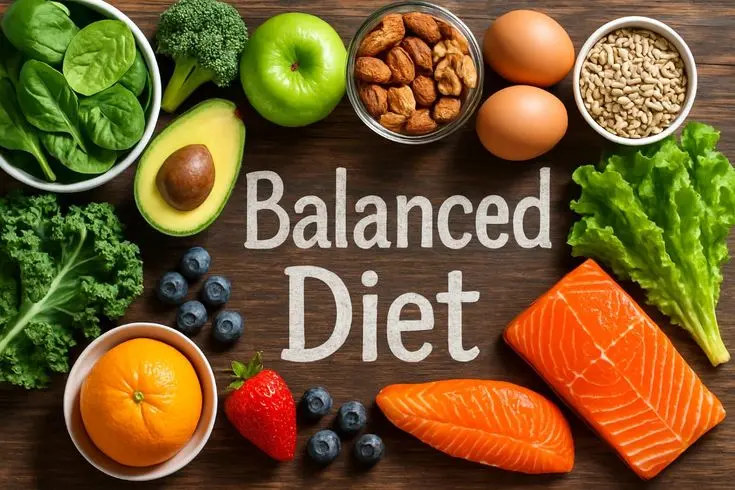
- Whole grains like rice, oats, and wheat
- Protein sources like eggs, meat, lentils, and beans
- Healthy fats like nuts, seeds, and olive oil
- Fruits and vegetables for vitamins and fiber
- Dairy products for calcium and protein
Step 3: Divide Meals Properly
Meal timing is important in a balanced diet chart. A typical daily plan includes:
- Breakfast: High energy and protein-rich foods
- Lunch: Balanced meal with carbs, protein, and vegetables
- Dinner: Light meal for easy digestion
- Snacks: Healthy options like fruits or nuts
Step 4: Control Portion Sizes
Even healthy foods can become harmful if consumed in excess. A good balanced diet chart focuses on portion control. Eating small, frequent meals helps maintain metabolism and energy levels.
Step 5: Stay Hydrated
Water is an essential part of any balanced diet chart. Drinking 7–8 glasses of water daily helps in digestion, detoxification, and maintaining body temperature.
Benefits of Balanced Diet Chart
A well-planned balanced diet chart provides numerous health benefits:
- Improves overall physical strength and stamina
- Enhances mental focus and memory
- Helps in weight management and fat control
- Strengthens bones and muscles
- Promotes healthy skin and hair
- Reduces fatigue and improves energy levels
- Supports better digestion and metabolism
Following a balanced diet chart consistently can significantly improve your quality of life and prevent many health issues.
Disadvantages / Risks
Although a balanced diet chart is highly beneficial, improper planning can lead to issues:
- Lack of proper knowledge may cause nutrient imbalance
- Over-restriction can lead to nutritional deficiencies
- Expensive food choices may increase diet cost
- Difficulty in maintaining consistency in busy schedules
- Misguided diet plans can negatively affect health
It is important to consult nutrition guidelines or professionals when creating a personalized plan.
Common Mistakes to Avoid
Many people fail to follow a balanced diet chart properly due to common mistakes:
- Skipping breakfast regularly
- Consuming too much junk food
- Ignoring portion control
- Not drinking enough water
- Overeating healthy foods
- Lack of variety in meals
- Relying on processed foods
Avoiding these mistakes can make your balanced diet chart more effective and sustainable.
FAQs
1. What is a balanced diet chart?
A balanced diet chart is a structured meal plan that includes all essential nutrients in proper proportions for maintaining good health.
2. Why is a balanced diet important?
It helps improve immunity, maintain weight, boost energy levels, and prevent chronic diseases.
3. Can I follow a balanced diet chart daily?
Yes, a balanced diet chart is designed for daily use and long-term health improvement.
4. What foods should be included?
It should include fruits, vegetables, grains, proteins, dairy products, and healthy fats.
5. Is a balanced diet expensive?
Not necessarily. With proper planning, you can create an affordable balanced diet chart using local foods.
6. Can children follow a balanced diet chart?
Yes, children especially need a balanced diet for proper growth and development.
Expert Tips & Bonus Points
Experts recommend the following tips for an effective balanced diet chart:
- Eat fresh and seasonal foods whenever possible
- Avoid processed and sugary foods
- Maintain regular meal timings
- Include physical activity with diet
- Focus on natural sources of nutrients
- Keep your diet simple and consistent
- Plan meals weekly to avoid unhealthy choices
A successful balanced diet chart is not about strict restrictions but about smart eating habits that you can maintain for life.
Conclusion
A balanced diet chart is a powerful foundation for achieving and maintaining good health. It provides your body with all the essential nutrients needed for energy, growth, and repair. By following a well-structured diet plan, you can significantly improve your physical fitness, mental clarity, and overall well-being.
In today’s modern lifestyle, unhealthy eating habits are very common, but adopting a balanced diet chart can help you regain control over your health. It is not a short-term solution but a long-term lifestyle change that brings sustainable results.
Whether your goal is weight management, better immunity, or improved energy levels, a balanced diet chart can guide you in the right direction. The key is consistency and awareness of what you consume daily.
