

Introduction
Understanding the symptoms and causes of diseases is one of the most important steps toward maintaining good health and preventing serious medical problems. Many people ignore early signs of illness, thinking they are minor issues, but in reality, these small signs can indicate bigger health concerns. Diseases do not appear suddenly in most cases; they develop gradually and show warning signals through various symptoms. Recognizing these symptoms early can help in timely diagnosis and effective treatment.
In today’s world, lifestyle, environment, and genetics all play a major role in the development of different diseases. Poor diet, lack of exercise, stress, and exposure to infections are some of the common reasons behind health issues. At the same time, each disease has its own unique set of symptoms that help doctors identify it correctly.
This article will explain what diseases are, why they happen, how to identify symptoms, and what causes them. It will also guide you through prevention methods, common mistakes people make, and expert health tips. Whether you are a beginner or have some basic knowledge of health, this guide will help you understand the topic in a simple and practical way. Learning about symptoms and causes of diseases can help you take better care of yourself and your loved ones.
What is Symptoms and Causes of Diseases?
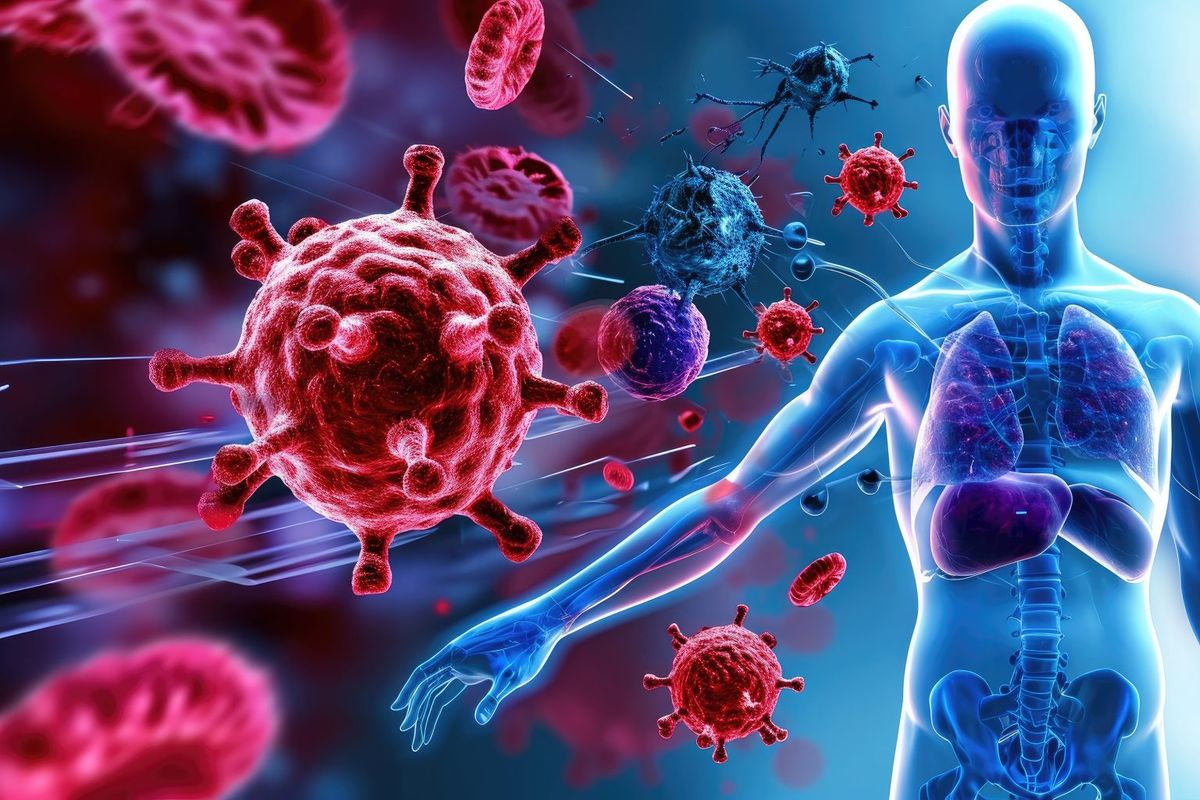
Symptoms and causes of diseases refer to understanding the signs that show a person is unwell and the reasons behind that illness. A symptom is any physical or mental change that indicates a health problem. These may include fever, pain, fatigue, cough, or dizziness. On the other hand, causes are the factors responsible for triggering the disease, such as bacteria, viruses, unhealthy lifestyle, genetics, or environmental conditions.
Every disease has a different combination of symptoms. For example, flu may cause fever and body aches, while diabetes may cause excessive thirst and fatigue. Identifying these symptoms helps in diagnosing the disease correctly.
Causes of diseases can be divided into several categories. Infectious causes include bacteria, viruses, and parasites. Non-infectious causes include poor diet, lack of exercise, smoking, alcohol, stress, and genetic disorders. Environmental causes include pollution, radiation, and exposure to harmful chemicals.
Understanding both symptoms and causes is important because it helps in early detection and prevention. When people know what leads to a disease, they can make lifestyle changes to avoid it. Similarly, recognizing symptoms early allows for faster treatment and better recovery chances.
Why is Symptoms and Causes of Diseases Important?
Knowing about symptoms and causes of diseases is essential for maintaining good health and preventing serious complications. Many diseases become dangerous only when they are ignored in early stages. Awareness helps individuals take action before the condition worsens.
One of the main reasons this knowledge is important is early diagnosis. When symptoms are recognized quickly, doctors can start treatment sooner, which increases the chances of recovery. For example, identifying early signs of heart disease can prevent heart attacks.
Another important reason is prevention. Understanding what causes diseases helps people avoid risk factors. If someone knows that unhealthy food leads to obesity and diabetes, they can change their diet accordingly.
It also improves health awareness in society. People who understand diseases can guide others and help spread awareness about healthy living. This reduces the overall burden of illness in communities.
Additionally, it helps in better decision-making. People can choose healthier lifestyles, avoid harmful habits, and seek medical help when needed. In short, this knowledge empowers individuals to take control of their health and live a better life.
Detailed Step-by-Step Guide
Step 1: Understanding Early Symptoms
The first step is to recognize early warning signs. These may include fatigue, headache, fever, or unusual body changes. Paying attention to small changes in the body is very important.
Step 2: Identifying Pattern of Symptoms
Observe whether symptoms are temporary or persistent. If they continue for several days, it may indicate a serious condition that needs medical attention.
Step 3: Checking Possible Causes
Try to identify possible reasons such as diet, stress, infection, or lifestyle habits. This helps in narrowing down the type of disease.
Step 4: Seeking Medical Advice
Consulting a doctor is important when symptoms do not improve. Medical professionals use tests and examinations to confirm the disease.
Step 5: Diagnosis and Treatment
Once the disease is identified, proper treatment begins. This may include medication, lifestyle changes, or therapy depending on the condition.
Step 6: Monitoring Recovery
After treatment starts, monitoring symptoms is necessary to ensure improvement. Regular follow-ups with doctors are also important.
Benefits of Understanding Symptoms and Causes of Diseases
- Helps in early detection of health problems
- Improves chances of successful treatment
- Encourages healthy lifestyle choices
- Reduces risk of severe complications
- Increases health awareness in individuals
- Helps in preventing spread of infectious diseases
- Supports better communication with healthcare providers
Disadvantages / Risks
- Misinterpreting symptoms may cause unnecessary panic
- Self-diagnosis can lead to incorrect treatment
- Overthinking minor symptoms may increase anxiety
- Ignoring symptoms due to lack of awareness can be dangerous
- Relying on online information without medical advice can be risky
Common Mistakes to Avoid
One common mistake is ignoring early symptoms. Many people think small health issues will go away on their own, but this is not always true. Another mistake is self-medication without consulting a doctor, which can worsen the condition.
People also often rely too much on internet searches for diagnosis. While information is helpful, it cannot replace professional medical advice. Delaying medical consultation is another serious mistake that can lead to complications.
Maintaining unhealthy habits while expecting good health is also a major issue. Smoking, poor diet, and lack of exercise increase the risk of many diseases. Avoiding regular check-ups is another mistake that prevents early detection.
FAQs
1. What are the most common symptoms of diseases?
Common symptoms include fever, headache, fatigue, cough, pain, dizziness, and nausea. These signs vary depending on the disease type.
2. What causes most diseases in humans?
Most diseases are caused by infections, poor lifestyle choices, genetics, and environmental factors such as pollution and stress.
3. Can symptoms appear without a serious disease?
Yes, some symptoms may be temporary and caused by minor issues like fatigue or stress. However, persistent symptoms should not be ignored.
4. How can diseases be prevented?
Diseases can be prevented by maintaining a healthy diet, exercising regularly, avoiding harmful habits, and going for regular check-ups.
5. Why is early detection important?
Early detection helps in starting treatment quickly, improving recovery chances, and preventing complications.
6. Should I always consult a doctor for symptoms?
If symptoms are mild and short-term, they may not require immediate attention. However, persistent or severe symptoms should always be checked by a doctor.
Expert Tips & Bonus Points
Experts recommend maintaining a balanced lifestyle to reduce the risk of diseases. Eating fresh fruits, vegetables, and drinking enough water helps in boosting immunity. Regular exercise improves heart health and reduces stress.
It is also important to manage stress through relaxation techniques such as meditation or deep breathing. Getting enough sleep plays a major role in maintaining overall health.
Avoiding smoking and limiting alcohol intake significantly reduces the risk of chronic diseases. Regular medical check-ups help in detecting hidden health issues early.
Staying informed about health conditions also helps in making better decisions. Listening to your body and responding to changes quickly is one of the best ways to stay healthy.
Conclusion
Understanding symptoms and causes of diseases is a powerful step toward a healthier life. It allows individuals to recognize early warning signs and take preventive actions before conditions become serious. Most diseases develop over time due to a combination of lifestyle, genetic, and environmental factors, which makes awareness even more important.
By learning how symptoms appear and what causes them, people can make better health choices and avoid risky behaviors. Early detection not only improves treatment outcomes but also reduces emotional and financial stress. Ignoring symptoms or delaying medical help can lead to severe complications, which is why awareness plays a crucial role.
In everyday life, small habits like eating healthy food, exercising regularly, and staying hydrated can make a big difference. Equally important is paying attention to the body’s signals and consulting professional when needed.
