

Introduction
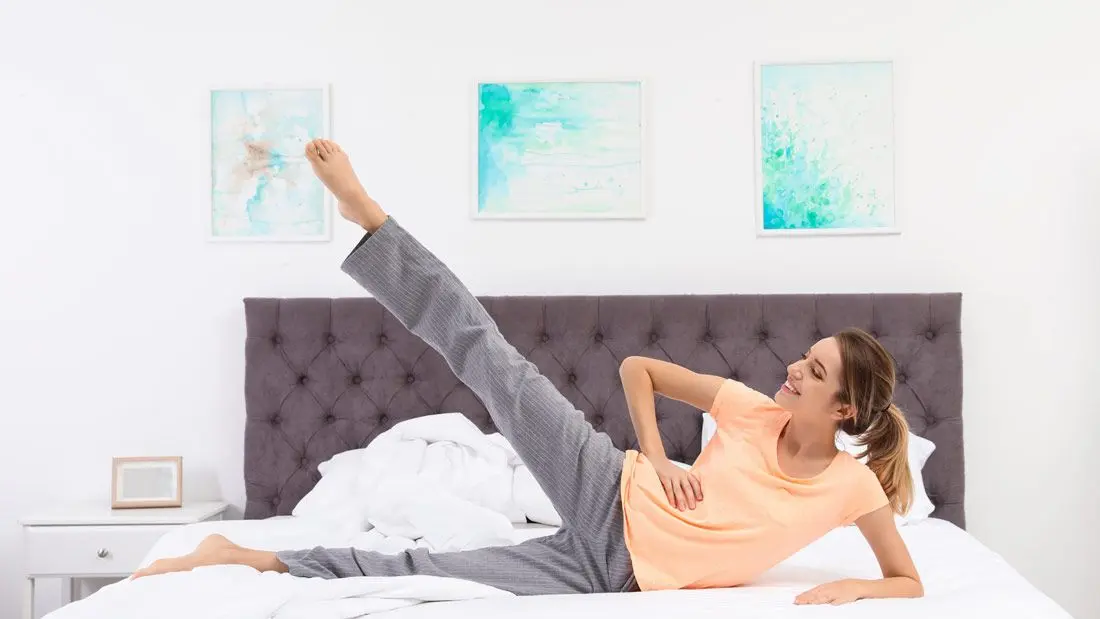
A no equipment workout is one of the most practical and effective ways to stay fit without depending on a gym or expensive gear. In today’s busy lifestyle, many people struggle to find time or resources to exercise. However, the idea that you need machines or weights to build strength and improve fitness is a myth. With the right approach, your body weight alone can provide a powerful and complete workout experience.
Whether you are a beginner starting your fitness journey or someone with experience looking for flexibility, a no equipment workout offers convenience and adaptability. You can exercise at home, in a park, or even while traveling. This type of training focuses on functional movements that improve strength, balance, and endurance at the same time.
Another advantage is that it reduces excuses. You do not need to commute, wait for machines, or invest in costly memberships. All you need is motivation and a small space. Over time, consistent effort with bodyweight exercises can deliver visible results in muscle tone, stamina, and overall health.
What is No Equipment Workout?
A no equipment workout refers to physical exercises that rely solely on your body weight for resistance. Instead of using dumbbells, machines, or resistance bands, you perform movements such as push-ups, squats, lunges, and planks to strengthen your muscles.
These workouts are also known as bodyweight training. They involve natural movements that your body is designed to perform. For example, squatting mimics sitting and standing, while push-ups train your upper body using your own weight.
This form of exercise can be adjusted to suit different fitness levels. Beginners can start with basic variations, while advanced individuals can increase intensity by modifying angles, speed, or repetitions.
A no equipment workout is not limited to strength training. It can also include cardio exercises like jumping jacks, high knees, and burpees. This makes it a complete fitness solution for improving both strength and endurance.
Why is No Equipment Workout Important?
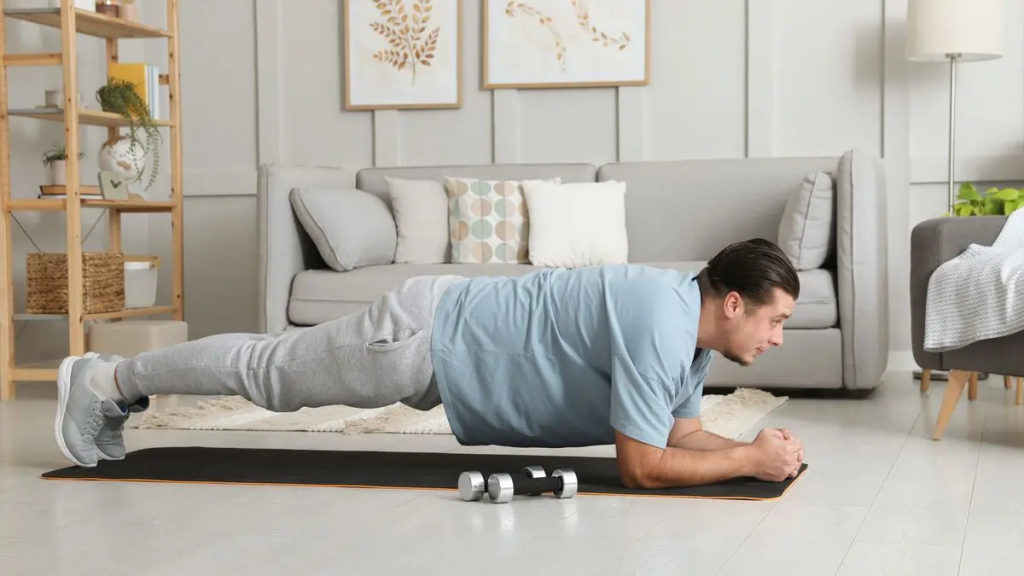
A no equipment workout is important because it removes barriers that often prevent people from exercising. Many individuals avoid fitness routines due to lack of time, money, or access to a gym. Bodyweight training solves all these problems.
First, it promotes consistency. Since you can do it anywhere, it becomes easier to stick to a routine. Consistency is the key to long-term fitness results.
Second, it improves functional strength. The exercises focus on natural body movements, which help in daily activities like lifting, bending, and climbing stairs.
Third, it reduces the risk of injury compared to heavy weightlifting. You are working within your body’s natural limits, which makes it safer for beginners.
Detailed Step-by-Step Guide
Step 1: Warm-Up Properly
Before starting any no equipment workout, warming up is essential. It prepares your muscles and reduces the risk of injury.
Begin with light movements for 5–10 minutes:
- Arm circles
- Neck rotations
- Jumping jacks
- Light jogging in place
A proper warm-up increases blood flow and improves flexibility.
Step 2: Start with Basic Exercises
If you are new, focus on simple bodyweight movements:
- Push-ups for upper body strength
- Squats for lower body strength
- Plank for core stability
- Lunges for balance and legs
Perform each exercise for 10–15 repetitions or 20–30 seconds.
Step 3: Follow a Structured Routine
A balanced no equipment workout should include all muscle groups.
Example routine:
- Push-ups – 3 sets
- Squats – 3 sets
- Lunges – 3 sets
- Plank – 3 sets
- Jumping jacks – 3 sets
Rest for 30–60 seconds between sets.
Step 4: Focus on Form
Good form is more important than speed or repetition. Incorrect posture can lead to injuries.
Keep these points in mind:
- Keep your back straight during squats
- Engage your core during planks
- Lower your body fully in push-ups
Practicing proper form ensures better results.
Step 5: Increase Intensity Gradually
As your strength improves, make your no equipment workout more challenging.
You can:
- Increase repetitions
- Add more sets
- Try advanced variations like decline push-ups or jump squats
Progression is necessary for continuous improvement.
Step 6: Add Cardio Movements
To burn more calories, include cardio exercises:
- Burpees
- Mountain climbers
- High knees
These exercises improve endurance and heart health.
Step 7: Cool Down and Stretch
After completing your no equipment workout, spend 5–10 minutes cooling down.
Stretch major muscle groups:
- Hamstrings
- Shoulders
- Back
This helps in muscle recovery and reduces soreness.
Benefits of No Equipment Workout
- Convenient and can be done anywhere
- No cost involved
- Improves strength and endurance
- Enhances flexibility and balance
- Reduces risk of injury
- Suitable for all fitness levels
- Saves time by eliminating travel to the gym
- Encourages consistency in workouts
Disadvantages / Risks
- Limited resistance for advanced users
- Progress may be slower compared to weight training
- Risk of improper form if not guided
- Some exercises may become repetitive
- Harder to isolate specific muscles
Common Mistakes to Avoid
One of the biggest mistakes in a no equipment workout is skipping the warm-up. This increases the risk of injury and reduces performance.
Another common error is poor form. Many people rush through exercises without focusing on technique, which leads to ineffective results.
Overtraining is also a problem. Beginners often try to do too much too soon, leading to fatigue and burnout.
Inconsistency is another issue. Doing workouts occasionally will not deliver results. A regular schedule is essential.
FAQs
1. Can I build muscle with a no equipment workout?
Yes, you can build muscle using bodyweight exercises. Movements like push-ups, squats, and lunges provide enough resistance to stimulate muscle growth, especially for beginners.
2. How often should I do a no equipment workout?
You can perform a no equipment workout 3–5 times per week. Make sure to include rest days to allow your muscles to recover.
3. Is a no equipment workout effective for weight loss?
Yes, combining bodyweight exercises with cardio movements helps burn calories and supports weight loss. Consistency and diet also play a major role.
4. How long should each session be?
A typical no equipment workout session can last between 20 to 45 minutes, depending on your fitness level and goals.
5. Can beginners start with a no equipment workout?
Absolutely. It is one of the best ways for beginners to start exercising because it is simple, safe, and adaptable.
6. Do I need a specific space for these workouts?
No, you only need a small area where you can move freely. Even a room or outdoor space is enough.
Expert Tips & Bonus Points
To get the most out of your no equipment workout, focus on consistency rather than intensity. Doing moderate workouts regularly is more effective than occasional intense sessions.
Track your progress by noting repetitions and sets. This helps you stay motivated and measure improvement.
Use proper breathing techniques. Inhale during relaxation and exhale during effort to maintain energy levels.
Mix different exercises to keep your routine interesting. Variety prevents boredom and targets different muscle groups.
Stay hydrated and maintain a balanced diet. Nutrition plays a key role in achieving fitness goals.
Conclusion
A no equipment workout is a powerful and accessible way to achieve fitness goals without relying on a gym or expensive tools. It proves that your body itself is enough to build strength, improve endurance, and maintain overall health. With the flexibility to exercise anywhere, it removes common barriers and makes fitness achievable for everyone.
By following a structured approach, focusing on proper form, and gradually increasing intensity, you can see real progress over time. The key lies in consistency, discipline, and a willingness to improve. Even simple exercises, when performed regularly, can deliver impressive results.
While there are some limitations, such as reduced resistance for advanced users, these can be managed with creative variations and increased repetitions. The benefits far outweigh the drawbacks, especially for beginners and those with busy schedules.
